• Home/Blog
  • Podcast
  • About
    • Contact
  • Portfolio
    • Advertising
    • Strategy
    • Taglines
    • Filmwork
  • Subscribe
  • search

Amy Swift Crosby

the story is in the telling

The Problem with Passion

June 14, 2016 · By Amy Swift Crosby

Never give up.
Just be yourself.
Go with your gut.
Just hang in there.
Follow your passion.
It’s meant to be.
Something better will come along.

Many of the monikers above are common refrains from the media, our friends, colleagues – the motivational posters you see at the dentists office. They just sound good, right?  The New York Times recently ran an article titled, “Be Yourself is Terrible Advice” based on the writers experience preparing for a Ted Talk in the Age of Authenticity. Is our collective agreement about what to do when you don’t know what to do…flawed?

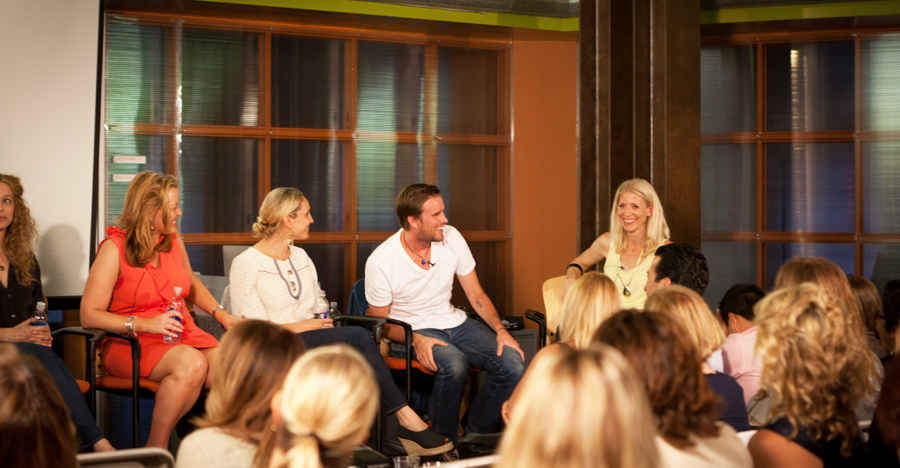
Back in the day, when SMARTY hosted monthly panel discussions with entrepreneurs, I asked each speaker to re-think any recommendations around “passion.” The majority of them were surprised at my request – which was – “It will be natural to tell the audience that they have to find their passion and follow it. And it’s not that this is untrue – but it’s not the whole story – and coming from you, it can’t be the pillar you hang your success on, because most likely, it isn’t.” Not one of them ever disagreed. Passion is part of it – but it’s nowhere near all of what keeps us going, builds a successful relationship, business, spiritual practice…

Passion waxes and wanes, and further, we’ve almost become anesthetized to the word’s potency. I would say find your compass is better advice – because it’s more closely connected to purpose. Your compass is a guiding North Star that doesn’t fluctuate based on fatigue, disillusionment, relationship or markets. It doesn’t rely on speed or intensity – just coordinates and direction.

And should you “Just Be Yourself”? – probably not. It’s not specific enough. What we think we’re saying is “don’t be someone else” which may have some merit. But to “just be yourself” doesn’t take into consideration the audience, the format, the end goal. It’s too vague. Which means it’s not that useful.

My favorite is “Never Give Up”  – because sometimes you should give up. Many of us are so committed to this idea that we never give up in the face of dozens of factors begging us to walk away. We don’t give up because that would be… “giving up”(bad!)….not because giving up is actually going to save us, heal us, create a better environment for success, give us our time back, our heart back; give our efforts a more fruitful outlet.

Question the common cliches. They carry some truth’s, some of the time, but they’ve been positioned as highest truth’s – and for that they are misleading. What we want are “laws” that govern a chaotic and unpredictable inner world – so we rely on these. But the better guardrails might look less like a tagline and more like a suggestion.

Maybe less “Just Do It” – and more –  “Let’s try this.”
Not as sexy. But your life isn’t advertising. So the copy doesn’t matter so much.

Platforms.

June 7, 2016 · By Amy Swift Crosby

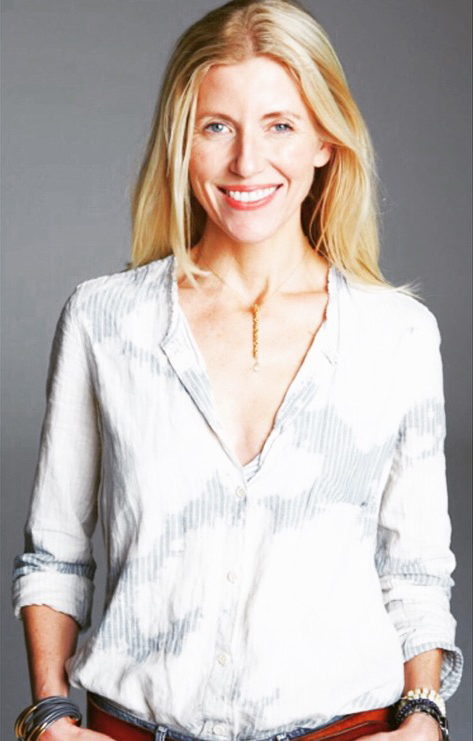
Yes, I realize these are heels, not platforms. #stillmakesthepoint

I probably can’t say anything new about social media that hasn’t been said. But here’s how I feel – as small business owners have a lot of questions about “the best platform.”

I look at them like this: When I read anything on Facebook, or post anything on Facebook, it feels like no matter what I say or what’s being said, it’s for sale. The UX encourages that, the ads, the un-beautiful design – it feels like FB is a way to raise your voice. It’s woefully inelegant, but very useful for some things. Instagram, on the other hand, feels more like a “by the way, this happened.” When I see posts or post myself, it feels like a snapshot of a thought – a moment in life – sometimes with words or hashtags, sometimes without – but I rarely see any shouting going on there. Twitter feels like talking at a Mets game. No matter how loud you might get, or clever, or funny, or cool, the game and the crowd are the real characters in that show. I see Twitter as a breaking news source – so for me using it sort of feels like whatever I’m saying should be as urgent as a Tweet from Anderson Cooper or as important as one from Malala. LinkedIn feels like a civil conversation that I should be more disciplined about attending but I have a full plate as it is so engagement there feels disingenuous.

All of this is to say – everyone has their “platform” – and the type of business you’re in is the main consideration. Beyond that, channels express voices, and while I personally have thousands more followers on Twitter than anywhere else, it’s not where my voice feels the truest, which is Instagram.

The takeaway – know where you shine. It’s all just a conversation happening in different interfaces. But we all want to be our best selves, so choose the face that brings out the best you.

Ordinary.

May 31, 2016 · By Amy Swift Crosby

I caught a glimpse of my ordinary life the other day - thanks to filmmaker Eric Eason.

Too many options.
Not enough options.
We haven’t been paid.
We can’t pay them yet.
No one showed up.
No one signed up.
No one spoke up.
They never replied.
Not enough chairs.
It’s a Chinese holiday.
They missed the deadline.
No one can find us.
The link is broken.
Does anyone care?
I care too much.

These ordinary problems are the best kind of problems. They are small crises that pale in comparison to the bigger ones life can throw. Pema Chodron has this to say:

“The ordinariness of our good fortune can be hard to catch…the key is to be fully connected with the moment, paying attention to the details of ordinary life. By taking care of ordinary things – our pots and pans, our clothing, our teeth – we rejoice in them.”

I would add making the bed to her quote. For me, this simple, daily chore reminds me that I have room in my life and a healthy physical body that allows me to do something simple and meaningful – that closes my subconscious life – to begin the conscious one. We don’t have much control over what happens when we sleep  – however we can be awake, yet totally asleep.

Here’s to making the coffee! Mowing the lawn! Drop off! Pick up! Unsubscribes! Delayed prototypes! Overdue invoices! Legal bills! Bookkeeping snafus! Cash flow! Life is so good.


Newer Posts

Portfolio Categories

  • Advertising
  • Strategy
  • Taglines
  • Filmwork

Shortlist of Clients

  • Bulgari
  • B&H Photography
  • GUESS
  • PepsiCo
  • Proctor & Gamble
  • The Class by Taryn Toomey
  • Barre3
  • Mandarin Oriental
  • Sur LaTable

Big and small, start-ups and icons.

Subscribe

[insta-gallery id=”1″]

About Me

photo of Amy Swift Crosby

I’m a brand strategist and copy writer. I mostly work with partner agencies or directly with the leadership or founding team at a brand. My primary mission is to connect design and messaging solutions to business missions. I work with start-ups and Fortune 500 companies, across beauty, hospitality, wellness/fitness, CPG and retail. This blog reflects my personal writing and explores our humanity – often as it relates to work, space, time and language. You can review my portfolio here or connect with me here.

Photo - Andrew Stiles

The Brandsmiths Podcast


Brand Strategists Hilary Laffer and Amy Swift Crosby tackle business questions with candid, (mostly) serious and definitely unscripted workshopping sessions. Guests – from small business owners to CEOs, executive directors and founders – bring their head-scratchers, hunches and conundrums to Hilary, the owner of a boutique creative agency in Los Angeles, and Amy, a copy writer.

Search Posts


Latest Posts

  • The Last Time.
  • Barefoot.
  • Mileage.
  • Everything.
  • Eddy.


Copyright 2026 Amy Swift Crosby