• Home/Blog
  • Podcast
  • About
    • Contact
  • Portfolio
    • Advertising
    • Strategy
    • Taglines
    • Filmwork
  • Subscribe
  • search

Amy Swift Crosby

the story is in the telling

Big Life

Work.

December 20, 2016 · By Amy Swift Crosby

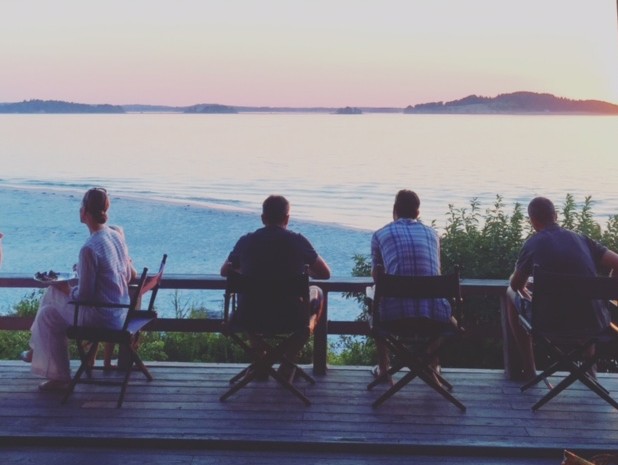
Big ideas rarely come from sitting at your desk.

It is almost always easier to work.

Even when work is stressful, it’s an environment that has a beginning and end, with tasks associated with workflow that equal some-kind-of-something in the end. We generally know what our contribution amounts to, how our presence impacts the whole. There’s a certain metric that we innately understand when it comes to work — less gray area, more punctuation.

Consider the discipline it takes to meditate, workout, sit down and read with your child or play Legos — even to go on vacation. These are all beautiful, fulfilling, healthy activities once you do them, but so often, work swallows anything deemed “extra” because it’s, A. Culturally justifiable and B. Infinitely easier to be productive when it’s obvious. I think most of us would agree that there are days and weeks that with all our “busy-ness” we weren’t actually that impactful toward something we really care about, that we really want to happen, that would really make a difference.

So as we go into this holiday period, one of my “rest” goals is to think bigger and upward, rather than in bits and pieces moving forward. I want to try to stay in the idea stratosphere — rather than the production one. We don’t get that luxury too much because we have jobs to do, people to pay (and get paid from), and missions to make real. This “blue sky” level of creative thinking (or blue ocean as a friend of mine insists), is a unique muscle that “works” without being at a desk, “produces” without typing a single Google search, and “grows” without a marketing strategy.

With that, I wish you a very happy holiday — and hope this gentle push gives you added permission go higher and deeper into something good. For me, it will only qualify if I can do it and have nothing to show for it –except a renewed energy (and potentially an idea worth executing) by January 1st.
Big Life

Idle.

December 12, 2016 · By Amy Swift Crosby

Remember back in the day, when you ‘d go to a restaurant, and if you found yourself to be the first of your party to arrive, you had to wait at the bar — alone?  You looked around. You watched other people having fun or in intimate conversations. You glanced at your watch. It was a little bit painful, especially if you were waiting on a date, or a professional contact you’d never laid eyes on. There was a vulnerability to it.

I worry that these transitional moments, or any moment when in the past we might have had to sit in our own presence, have been hijacked by our devices. We either find ourselves feeling pressed to be productive in EVERY POSSIBLE SECOND, or worse, feel that in moments when we could be pausing/breathing/observing, that we should at least look like we have something to do. If I’m at a party, and feel uninterested or introverted, my phone provides a paradise of relief and distraction. But, that’s kind of bullsh$t, right? What a copout.

I’m worried that no one knows how to be bored or clumsy or awkward anymore. In fact I’m thinking the younger generation is missing a litany of other sufferings that make for a multi-dimensional person, and we (elders) are cheating ourselves out of some unexpected epiphanies that come from choosing (actively) to do something in real time/real life — even when we could be swiping/checking/responding.

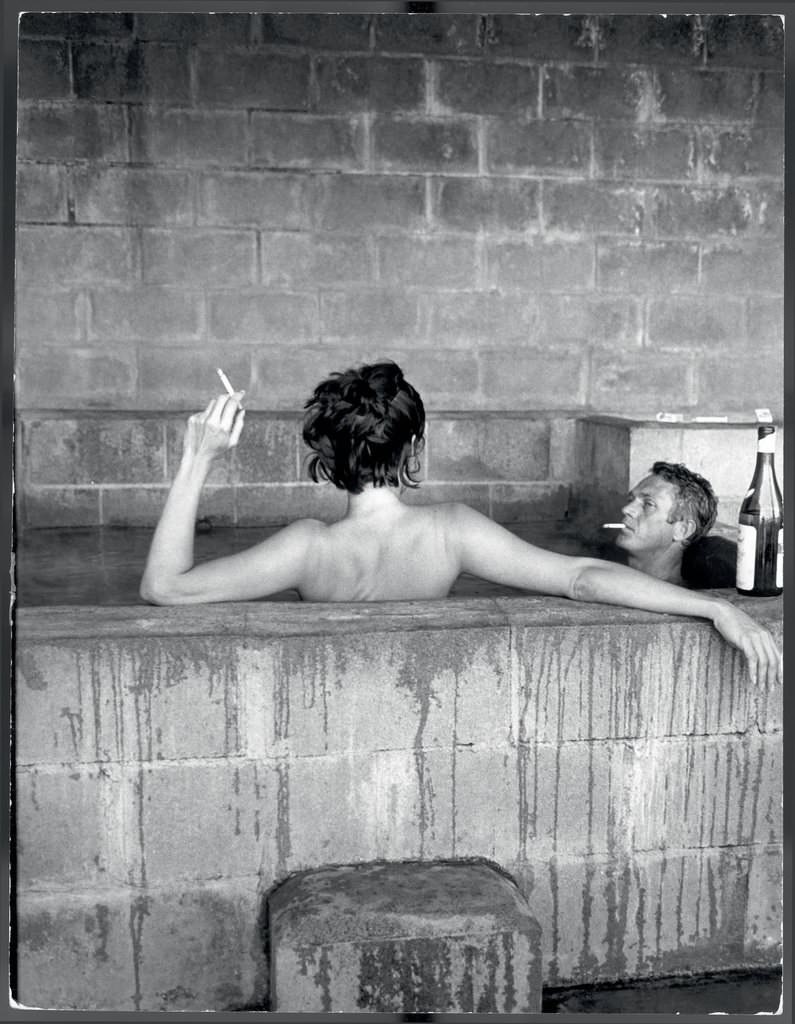
Just like actors used cigarettes as a storytelling device, and regular people used them as a social wingman, so must we view our phones for what they’ve become; something to do….when we need something to do.

But I think we may be missing out. Imagine the people we might meet or cool things we might witness or conversations we might overhear or character we might build…by not looking down and disappearing into an alternate, easier universe at the first possible discomfort?

We might have to actually live with ourselves and all our confronting humanity. Huh.

Small Business

Details.

December 5, 2016 · By Amy Swift Crosby

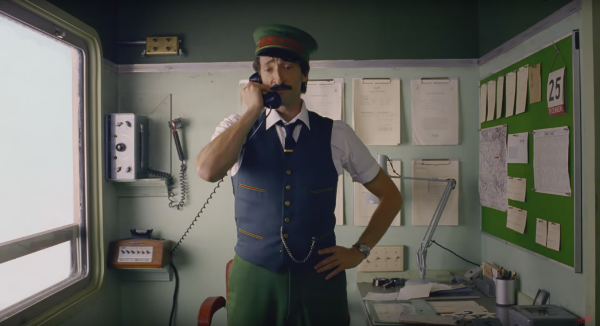
H&M wisely tapped director Wes Anderson, a master of detail, to make a short holiday film. Note the focus on story, not clothes. Everything, in every frame, was a decision.

https://www.youtube.com/watch?v=VDinoNRC49c

Isn’t it refreshing (I’d even say exciting) to go into a business / restaurant / office where they care about the details? Where a potted plant sits in ceramic instead of plastic? Where the floor of a fitness studio gets swept or mopped between workouts? Where the dentist gives you rose tinted glasses to ward off glare? Where meeting rooms are stacked with pens and pads of paper? Little things often move the needle on whether we come back / buy more / comment / reTweet/Gram / recommend.

I found myself at an athletic club recently, a bit perplexed by the clock on the wall that still hadn’t been changed since daylight savings time, a wrapper on the floor — right next to the garbage. The absence of Kleenex (anywhere.) Television sets in multiple corners — all on the same channel. And my favorite — an exclamation point after the gym’s address in the footer (maybe they’re excited about their location?)

Thoughtfulness often appears in the smallest of ways. And some would argue that customers don’t really notice these seemingly minute details because the bigger goal — the service or product itself — should take center stage. But it’s all part of the experience — from what they see on your website, to what they experience in person, to what they view on social media. You’re one brand, not five. And you’re always saying something — whether you put thought into it or not.To think our choices, as business owners, as brands, don’t impact sales, retention, loyalty — is a blind spot.

Sweat the small stuff.

You don’t have to do everything (resources are usually limited and most of us don’t have Wes Anderson-style budgets), but make sure what you DO decide to do is intentional and says what you set out to say.

Small Business

Presentation.

November 28, 2016 · By Amy Swift Crosby

No matter how obvious or clear or needed your product or service or personality is, we all need a presentation layer. The world doesn’t immediately “get” what we do without one. This is part of what we call “brand” — but let’s get away from that over-used, mostly misunderstood word for now. Let’s call it your skin or message, which encompasses not only the words you use but the images, typefaces, customer service experiences, decisions… that all go into the world’s experience of your product or service.

One of my favorite challenges is to work on a turnaround project, the repositioning a company who finds itself challenged in the marketplace, not because it isn’t amazing (it often is), but because they haven’t hit the right note in explaining why their offering matters. It’s a message problem, not a product problem.

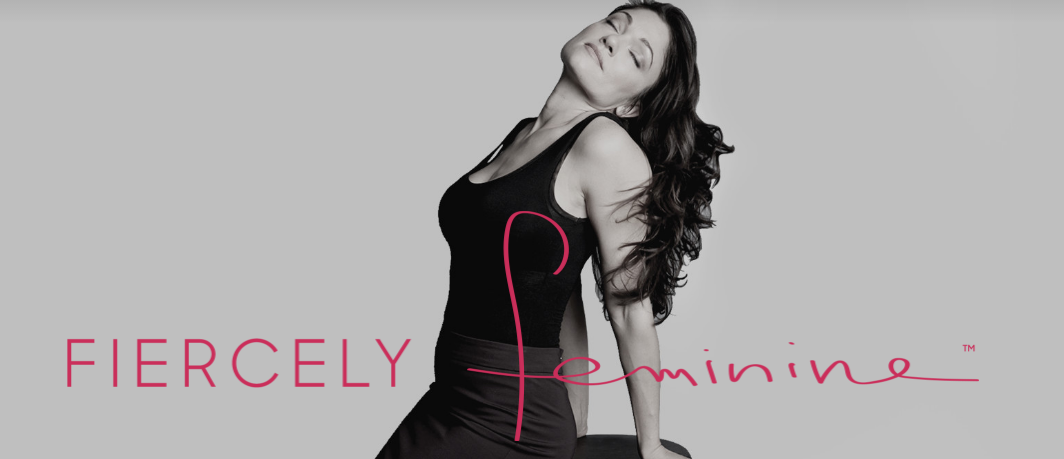
This year, we had the honor and pleasure of working with S Factor creator and founder Sheila Kelley. The brand needed a shift in perception, and a new way to tell their story.

S Factor has been known as a pole-dancing workout. But to relegate it to that is like saying you use a computer to type, or your phone to make a call. A computer / phone / pole is the device — but the impact / results / value go so far beyond the accessory. Sheila created a brand that gives women a map back to their own feminine bodies and souls. Our job in refreshing their brand was about delivering an unapologetically feminine message — to capture the fierce, the soft, the angry, the joyous — the everything — that women could explore through S Factor. It was a message of reclamation, rejoicing and rebirth. But how do you explain that in a way that women want to hear it? How do you get the pole out of the way, without dismissing it? See how we did it here.

So proud of our work together, and so convinced that if our customers don’t get us — right away — we can’t blame them for not showing up.

Don’t put the burden on your audience or get upset when they don’t “get” you. Make it clear, moving and completely irresistible.

Uncover your truth. And then tell that story (or hire people who do it for a living.)

Small Business

Editors.

November 21, 2016 · By Amy Swift Crosby

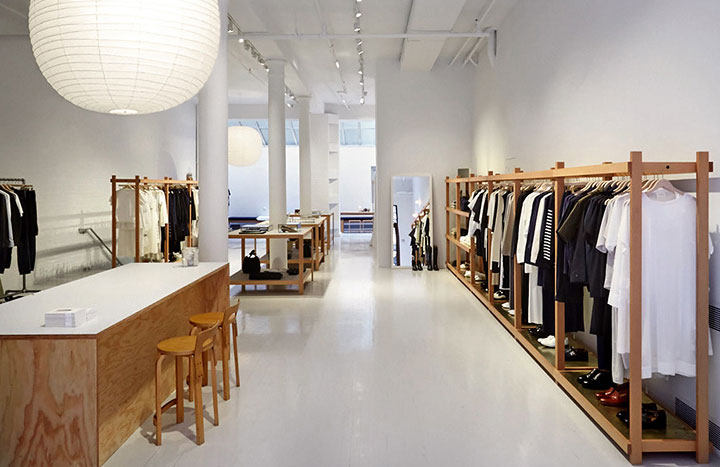
La Caronne, a concept in New York City. A great example of saying yes, and no, to the right things.

I was recently in a LA/NYC hot spot — a true den of trends — where it felt like the team, earnest as they probably are, said yes a little more than no. Apart from wool-vested, man-bun clad bartenders and suspender wearing, Japanese denim-adorned waiters, they had somehow captured every interior restaurant trend of the past ten years, in 3,000 square feet. Macrame? Check. Distressed wood? Check. Subway tile? Check. Repurposed shipping container? Check. Faux-industrialized materials in every corner possible? Check. I saw Austin, Brooklyn, Portland and Venice — bundled up into one unedited concept.

Every writer, every designer, everyone, everywhere, benefits from an editor. If I could have an editor every time I publish this blog, I would, and typically I have a very good one edit my work before clients see it. Writers benefit because we can’t discard what we don’t know is in the way. We can’t replace ‘meh’ words with better words when those were the words that seemed best when we wrote them. Editors have a perspective that sees the good, replaces the less effective, and removes the rest. They de-clutter. They see the mission and make sure you’re meeting it. All creative endeavors benefit from such a person, but it’s hard to for some of us to admit it because we mistakenly see their participation as an intrusion on something sacred.

In my role as a brand strategist and writer, I often wear the hat of creative director as well. Overseeing design means I see what’s working, and what isn’t, and support the designer to land in the right place. It doesn’t mean I can design — I can’t. And it doesn’t mean I know more than she does — I don’t. But we all want the best work, and that usually requires a healthy tension between the first version and the third.

Editors are essential.
Find a good one.
Then, let them take your precious ideas, concepts and manifestations — and force a focus, a distillation and a commitment to something better.

Because it almost always will be.

Small Business

Crazy.

November 14, 2016 · By Amy Swift Crosby

Isn’t it crazy how…
You can show up, but it wasn’t enough.
Put in the time, but it wasn’t enough.
Do more than most, and it wasn’t enough.
Pay attention, or so you thought, but it wasn’t to be.

It’s jarring and unsettling when a distant, almost absurd reality, turns out to be exactly how it really is. Especially when what was imagined felt so bright, hopeful, full of potential.

This happens on grand levels, as it did last week, and on micro levels, in our own lives. You think you’re headed down one road, but those plans or projects downshift, turn the wheel, stop the car. All while you were busy putting gas in it.

And there you are.
How does this happen?
How did it go that way when all signs pointed this way?
It’s a good question.

Usually it means you weren’t listening. Or, only listening to what you wanted to hear. And other times you couldn’t have seen it coming. Either way, the abrupt nature of this stuff is more than hard. It’s brutal.

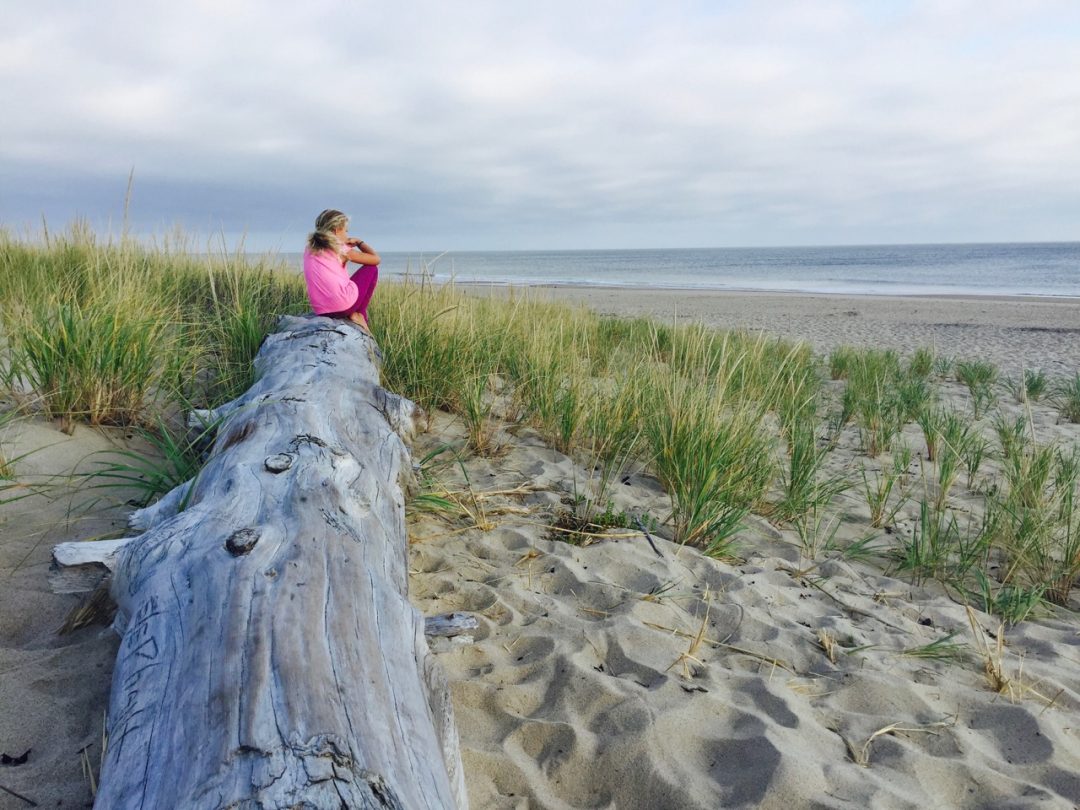
I’m in a state of openness as to what’s next. My stages of grief have gone from shock, rage, sadness, more fury — and now stillness. The action will come, I’m sure, and the next right thing will show itself. But for now, I’m sitting on the edge. Perched. Watching for signs of life and the next road to take.

Because there will be one. But I know I’ll need to have a little perspective — and distance — in order to see it.

It’s okay to stop, to feel what you feel, to look back before you move forward.
It doesn’t mean you aren’t doing anything. It means this is what you’re doing (for now). Don’t mistake action for answers. Digestion is part of any sincere, complete process.
Newer Posts
Older Posts

[insta-gallery id=”1″]

About Me

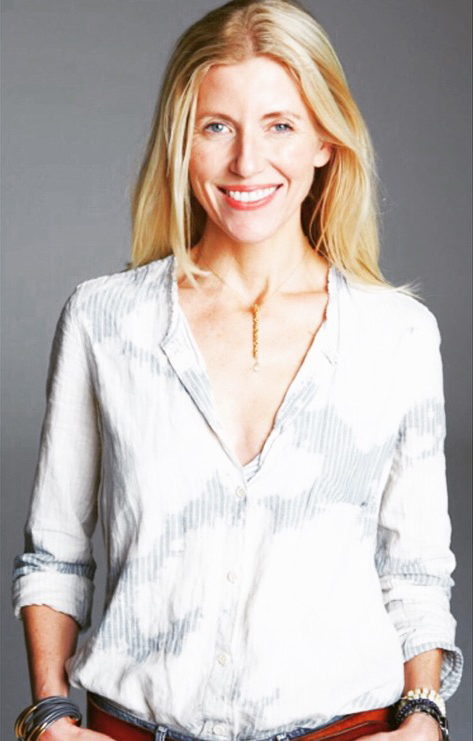
photo of Amy Swift Crosby

I’m a brand strategist and copy writer. I mostly work with partner agencies or directly with the leadership or founding team at a brand. My primary mission is to connect design and messaging solutions to business missions. I work with start-ups and Fortune 500 companies, across beauty, hospitality, wellness/fitness, CPG and retail. This blog reflects my personal writing and explores our humanity – often as it relates to work, space, time and language. You can review my portfolio here or connect with me here.

Photo - Andrew Stiles

The Brandsmiths Podcast


Brand Strategists Hilary Laffer and Amy Swift Crosby tackle business questions with candid, (mostly) serious and definitely unscripted workshopping sessions. Guests – from small business owners to CEOs, executive directors and founders – bring their head-scratchers, hunches and conundrums to Hilary, the owner of a boutique creative agency in Los Angeles, and Amy, a copy writer.

Search Posts


Latest Posts

  • The Last Time.
  • Barefoot.
  • Mileage.
  • Everything.
  • Eddy.


Copyright 2025 Amy Swift Crosby